
Joints on the Move
- Becky Kiado

- Jun 2, 2024
- 4 min read
Functional mobility is an important part of staying healthy and maintaining a high quality of life as we age. It is the ability to move freely and efficiently in various everyday activities and tasks, such as walking, bending, reaching, and lifting. It encompasses the range of motion in joints and the coordination, strength, and balance required to perform these movements effectively.
Functional mobility is essential for maintaining independence and quality of life, especially as we age or recover from injuries. Training for functional mobility often involves exercises that mimic real-life movements to improve overall physical function and reduce the risk of injury.
Increasing the ability to move joints more incorporates many aspects, but two of the foundational concepts are:
Mobility
Flexibility
Flexibility

Flexibility is the ability to move through a full range of motion with ease and little resistance. For example, the ability to touch your toes.
Mobility

Mobility is the ability to dynamically and purposefully complete the same full range of joint motion throughout the day. You can think of Mobility as the dynamic flexibility of life. It is an active movement that incorporates stretching your muscles at the same time.
In the same example of flexibility where you touch your toes, mobility would incorporate touching your toes to reach a bag of groceries on the floor, lifting those groceries, and returning to the upright standing posture. Flexibility and Mobility are synergetic. They work together to enhance daily activities.
How do you Improve Your Flexibility and Joint Mobility?
There are several ways to improve joint mobility and flexibility. One way is to stretch. When you stretch, you purposely place your muscles in an elongated position to improve your range of motion in joints and muscles.
4 Methods of Stretching Are:
Static
Dynamic
Active
PNF Proprioceptive Neuromuscular Facilitation Stretching
Static Stretching

Static stretching involves slow, controlled, and gentle movement to the end range of the muscle stretch and then holding it there for 30 seconds to 2 minutes at the end range.
A classic example of this is a calf stretch via lunging forward while keeping the heel of the stretched leg on the floor.
Dynamic Stretching

Dynamic stretching is moving parts of your body through a full range of motion in a controlled manner. Often mimicking joint movements used in everyday activities to increase flexibility and blood flow gradually
An example of Dynamic stretching is a form of stretching called ballistic stretching. Ballistic stretching involves short bursts or small bounces at the end range of a stretch to increase the range further. Be cautious when using ballistic stretching because it can overstretch the muscle, cause joint pain, and possibly cause injury.
Using our example from the beginning, an example of ballistic stretching would be touching your toes. However, instead of just holding your torso over your toes, you would repeatedly bounce down towards your toes with quick, jerky movements rather than holding a stretch in a bent-over position. Ballistic stretching involves short bursts or small bounces at the end range of a stretch to increase the range further.
Active Stretching

Active Stretching involves holding a stretch using the strength of the opposing muscle group without external assistance to improve joint flexibility and range of motion.
A classic example of an active stretch is the quad stretch. In this stretch, you stand upright and bend one knee to bring the heel toward the buttocks, holding the foot with the hand on the same side. Then, you stretch the quadriceps of the bent leg by using the muscle at the front of the thigh (quadriceps) to actively push the foot into the hand.
Proprioceptive Neuromuscular Facilitation Stretch (PNF)
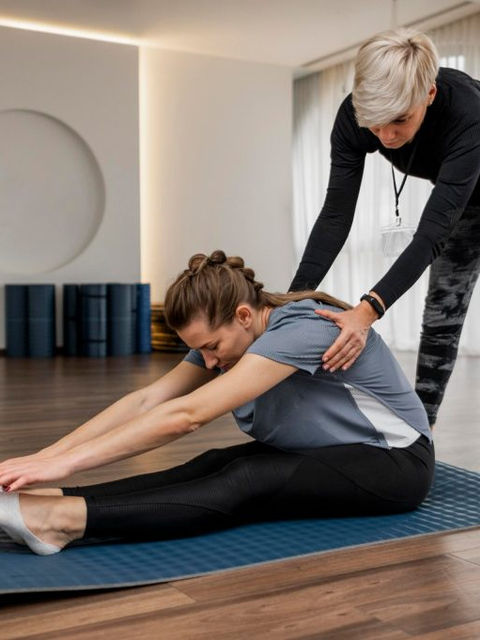
Proprioceptive Neuromuscular Facilitation Stretch (PNF), also known as contraction stretching, is a form of stretching in which another person or object is often used to apply additional force at the end range for approximately 10 seconds following a muscle contraction of the antagonist's muscle that lasts approximately 5-10 seconds. It is then repeated 3-4 times.
A classic example is the adductor stretch, where two people face each other with their legs open like a v-shape, with toes touching the other person. Using your arms, pull the upper torso of the other person gently toward you, the leverage from the other person to slowly stretch out the adductor muscles (inner thighs) to increase flexibility and range of motion in that area.
How Does a Lack of Mobility and Flexibility Affect the Body and Joints?
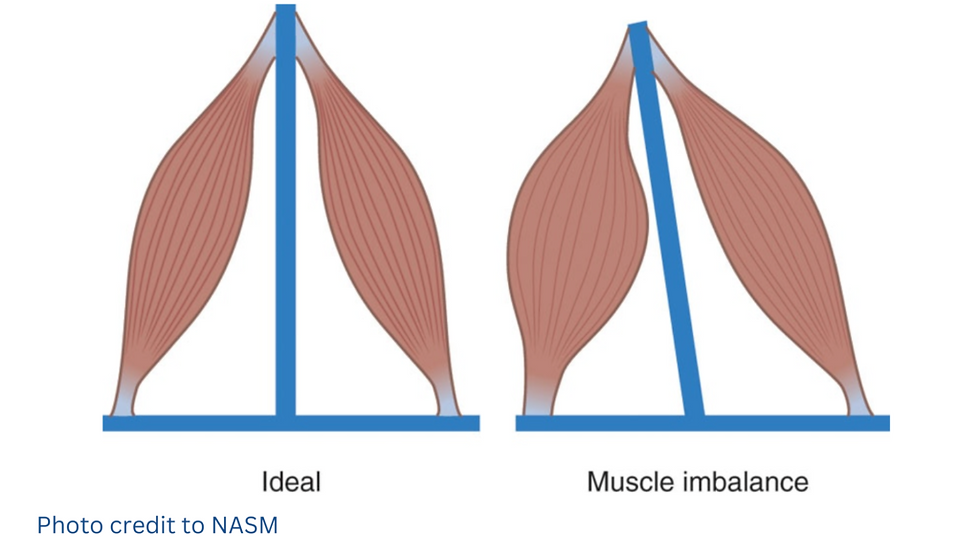
Inflexible muscles cause increased demand on skeleton tissues, joints, and other muscles, creating an imbalance in movement and increased fatigue that can increase the chance of injury. It can increase stresses on the surrounding tissues causing a ripple effect in other parts of the body as it attempts to compensate for the decreased mobility.
As mobility gets further limited, the decreased motion results in a decreased lubrication to joints, increasing pain with motion and, in turn, creating a pain cycle limiting further movement.

Many factors, such as diet, hydration, sedentary lifestyle, inactivity, genetics, and age, can contribute to a lack of mobility and flexibility. But all is not lost. It is possible to regain mobility and flexibility lost over time, and the benefits are numerous if you successfully do so.

Benefits of Increased Mobility and Range of Motion in Joints and Muscles
Helps to protect against injury
You can train harder
Helps with good posture
Recover from training faster
Perform better
Perform daily tasks with less pain and effort
Reach goals more efficiently
Improves balance and coordination for safety in daily activities
Improve the quality of life
Decreased rate of disease
Decreased hospitalizations
Conclusion
Incorporating daily stretching into your lifestyle and routine is the best way to increase flexibility and joint mobility. You can also increase your flexibility by improving your daily activity levels. Some good examples of activities that can improve mobility and flexibility include but are not limited to, yoga, tai chi, jiu-jitsu, swimming, walking, and cycling. The best way to move more is to MOVE more!!

If you liked this post, be sure to check out our post on How Progesterone affects menopausal women


Comments