
7 Ways Estrogen Impacts Weight Loss
- Becky Kiado

- Apr 11, 2024
- 2 min read
There are 7 key ways estrogen impacts weight loss once a woman begins menopause. Estrogen plays a vital role in regulating body weight and metabolism, and its decline can influence body composition and fat distribution. As estrogen declines, women's ratio of fat to muscle increases, which can cause more weight in the abdominal area. This is a concern since women are at a greater risk for cardiovascular disease once they go through menopause.

7 Ways Estrogen Impacts Weight Loss:
1. Metabolic rate decreases.
Estrogen helps regulate metabolism. When the metabolic rate decreases, then fewer calories are burned during rest and activity. This slower metabolism can contribute to weight gain unless calorie intake is adjusted accordingly
2. Change in body fat distribution:
Estrogen influences where body fat is stored in the body. Pre-menopausal women tend to store fat in hips and thighs, but post menopause, due to lower estrogen levels, there's a shift in fat storage to the abdominal area. This visceral fat is more metabolically active and associated with an increased risk of cardiovascular disease and insulin resistance
3. Appetite and satiety signals:
Estrogen is involved in regulating leptin and ghrelin, hormones that control hunger and satiety. Lower levels of estrogen can disrupt these signals, potentially leading to increased appetite and a tendency to overeat, contributing to weight gain
4. Muscle Mass decline:
Estrogen plays a role in maintaining muscle mass. When it decreases, women can experience a reduction in muscle mass. Since muscle tissue burns more calories than fat tissue, this loss can further reduce metabolic rate, making it easier to gain weight.
5. Insulin sensitivity:
Estrogen affects insulin sensitivity and glucose metabolism. As estrogen drops, women may experience increased insulin resistance, making it harder for the body to use glucose effectively and leading to fat storage, particularly around the abdomen
6. Physical activity levels:
Menopausal symptoms such as hot flashes, night sweats, and mood changes can affect energy levels and sleep quality, possibly leading to a decrease in physical activity. Less activity combined with a slower metabolism can contribute to weight gain.
7. Emotional & Stress eating:
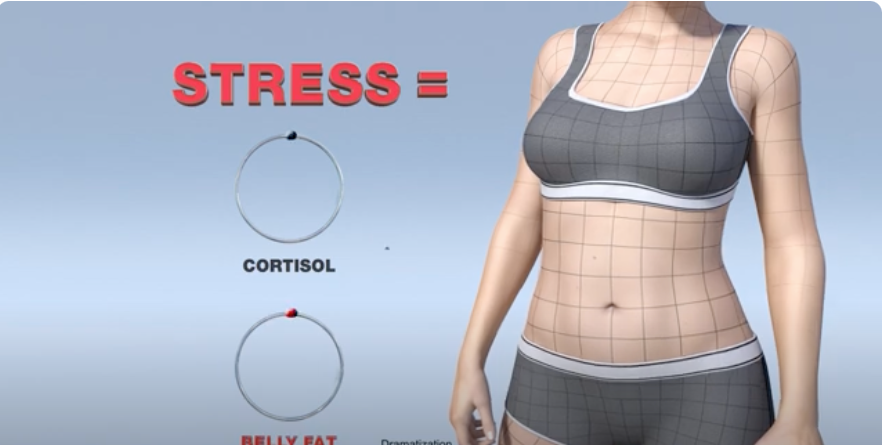
Hormonal changes and symptoms can lead to mood swings, depression, and increased stress levels. Women could turn to food for comfort, leading to weight gain

9 Key Factors That Can Affect Scale Weight


Comments